
What is dropshipping and does it still work for ecommerce?
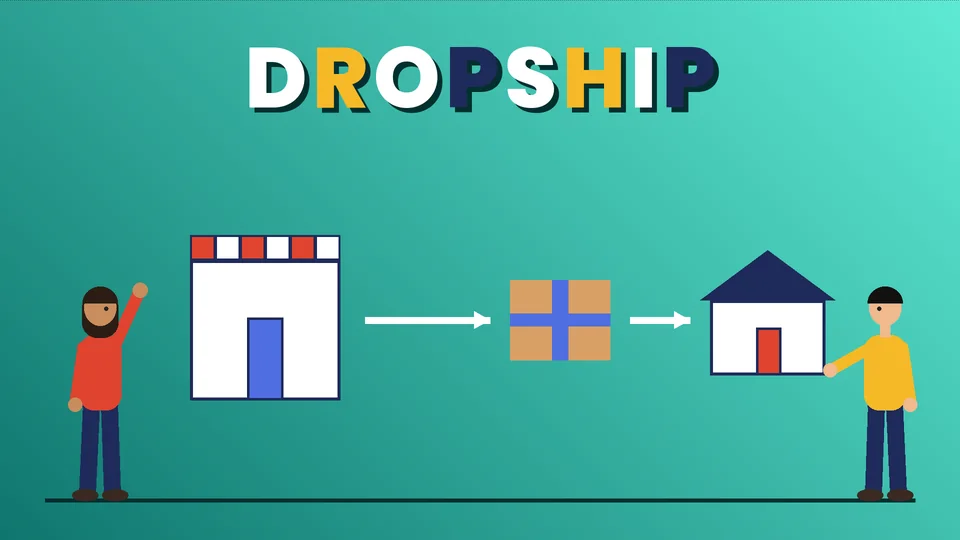
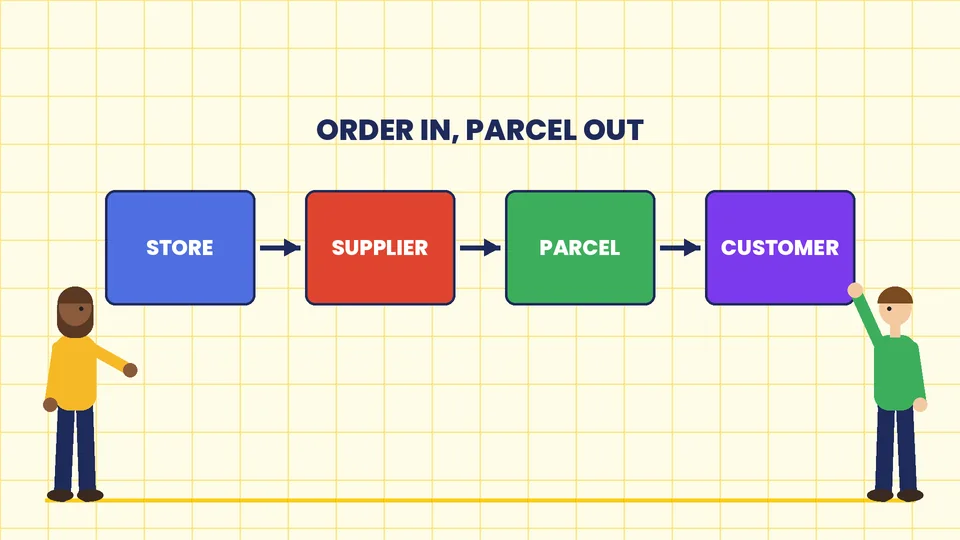
Dropshipping is a way to sell products online without holding stock. You list a supplier’s product in your store, the customer pays you, you pass the order to the supplier, and the supplier packs and ships it directly to the customer. It still works as a low-cost way to test products, but margins are thin, you stay responsible for the customer experience, and since 2025 import duties have made overseas suppliers much harder to price. Treat it as a business model to run carefully, not a shortcut.
This guide explains how the model works, what it really costs, how to choose suppliers, which US rules apply and when it makes sense to move to holding your own inventory. At PROSeCommerce, part of PROS Global Inc in San Diego, we build and support Shopify stores, and the advice below comes from the patterns we see when stores sell products they do not ship themselves. Rules and platform details were checked against official sources as of November 2026.
How dropshipping works step by step
According to the Shopify Help Center, an order flows from your customer to your store and then to your supplier. The supplier picks, packs and ships the product, usually with your branding on the packing slip, and you handle everything around it. The typical sequence looks like this:
- You import or list the supplier’s product in your store with your own photos, copy and price.
- A customer pays you at checkout.
- The order is sent to the supplier, either automatically through an app or by hand.
- You pay the supplier the wholesale price plus any per-order fee.
- The supplier ships to the customer and sends tracking, which you pass on.
- If something goes wrong, the customer contacts you, not the supplier.
That last step is the one new sellers underestimate. Shopify states plainly that although you do not handle the product, you remain responsible for customer service and order tracking. A late parcel, a damaged item or a refund request all land in your inbox, and you often cannot fix the problem without waiting for someone else.
Dropshipping business models
Shopify describes three common ways to build a dropshipping business. Which one you choose changes how much you can differentiate and how much margin you can keep.
| Model | What you do | Strength | Weakness |
|---|---|---|---|
| Product reselling | Curate suppliers’ products in a niche, such as eco-friendly home goods | Fast to launch, wide choice | Competitors can list the same products |
| Business extension | Partner with a local retailer or maker and sell their products online | Unique products and a real relationship | Smaller catalog, depends on one partner |
| Product creation | Bundle existing supplier products into a new offer, such as a craft kit | Harder to compare on price | More planning and testing before launch |
If you are still deciding whether dropshipping is the right fit, our guide to choosing an ecommerce business model compares it with wholesale, private label and making your own products. For a view of where the model is heading on Shopify, see the future of Shopify dropshipping.
What dropshipping really costs
The common claim is that dropshipping needs no money to start. It needs less money than buying stock, but it is not free. You still pay for a store plan, a domain, apps, payment fees, product samples and, above all, marketing. Shopify’s plans differ in price and features, so choose one that matches your volume instead of the cheapest option by default.
The table below shows how a single order can look. These are made-up numbers to show the method, not benchmarks, so replace them with your own supplier quotes, fees and ad costs.
| Line item (example order) | Amount |
|---|---|
| Selling price | $40.00 |
| Supplier product cost | $20.00 |
| Supplier shipping and handling | $6.00 |
| Payment processing (assumed for illustration) | $1.50 |
| Advertising cost to win the order | $8.00 |
| Allowance for refunds and support | $2.00 |
| Profit left | $2.50 |
Two lessons come out of an example like this. First, the order is profitable only because ad cost per sale stays at $8, and a modest rise in that figure erases the profit. Second, a refund costs you the product, the shipping and the fees you already paid. Work out your break-even ad cost per order before you spend anything on traffic, and set a price that leaves room for returns.
How to choose a dropshipping supplier
Your supplier decides whether customers come back or write angry reviews. Shopify’s guidance on choosing suppliers gives a sensible filter:
- No monthly fees. Most legitimate suppliers earn money when you order from them, not from a subscription. Supplier directories can charge fees and still be legitimate businesses, but a supplier that wants a monthly fee to sell to you deserves caution.
- Wholesale access only. Shopify notes that most real suppliers do not sell to the public. A “supplier” that also sells to consumers with “wholesale pricing” may be another dropshipper selling at inflated rates.
- Expert staff and a named contact. Good suppliers know their products and can answer questions by phone or email.
- Technology. Real-time inventory, online catalogs and order history reduce overselling and manual work.
- Per-order fees you understand. Shopify says many dropshippers charge a fee per order, which is standard, and that combining items in one order is usually cheaper than shipping them separately.
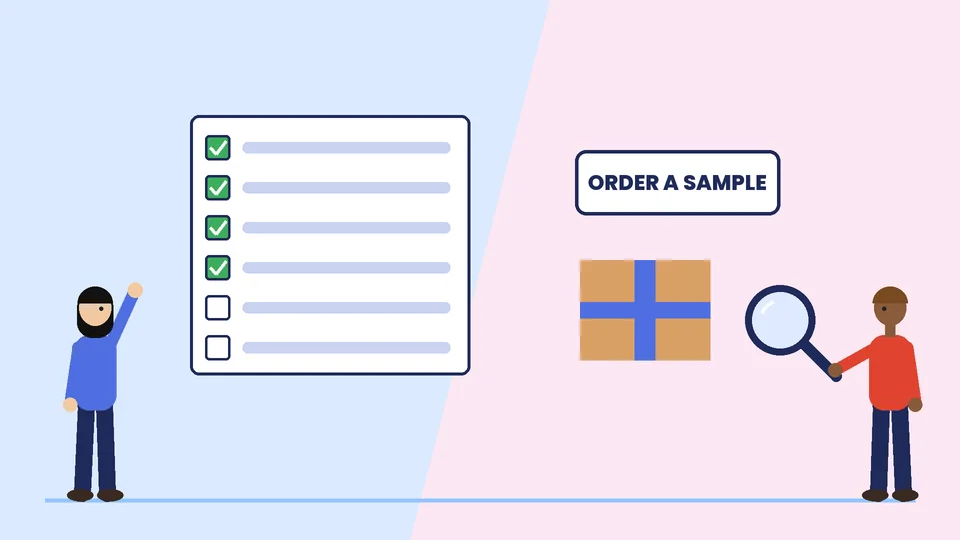
Before you sell anything, order a sample. Shopify recommends buying from the supplier yourself so you can see how long they take to process and ship an order, how long delivery takes and how the product is packed. Then write your shipping promise from what you measured, not from what the supplier claims.
Rules every US dropshipper should know
Selling through a third party does not move legal responsibility to the supplier. These are the main areas to understand. This section is general information, not legal advice, so check your own situation with a qualified adviser.
Shipping time promises under the FTC rule
The FTC’s Mail, Internet, or Telephone Order Merchandise Rule, found in 16 CFR Part 435, applies to internet sales. Under section 435.2, you may take an order only if you have a reasonable basis to expect you can ship within the time you clearly state. If you state no time, the default is 30 days after you receive a properly completed order. If you cannot ship in time, you must offer the buyer, clearly and without being asked, the choice to agree to the delay or cancel for a prompt refund, and you must give a revised shipping date where you have a reasonable basis for one.
For a dropshipper this matters because the shipping time is in your supplier’s hands. The rule also says that if the FTC brings an action, not having records that show systems for shipping on time creates a presumption that you lacked a reasonable basis. Keep supplier lead times, test orders and delay notices on file.
Product safety and liability
Shopify’s legal guidance on dropshipping says it is your responsibility to offer products that are safe. You may be held liable for products that do not meet safety standards in the places where they are shipped, even though you never touch them. Before listing a product, review product safety laws, check that it carries the licenses, markings and warnings the destination requires, check that instructions are in the official language of that jurisdiction and look for recalls.
Telling customers who ships the order
Shopify describes it as good practice to tell customers that products ship from a third party and where they ship from. It sets honest expectations and cuts “where is my order” tickets. Put the shipping origin and realistic delivery windows on product pages and in your shipping policy.
Customs duties on imported goods
If your supplier ships from outside the United States, customs rules decide your costs. According to the CBP e-commerce FAQ, the duty-free de minimis treatment for shipments valued at $800 or less is indefinitely suspended for all modes of entry, including international mail. In general, duties and taxes now apply, and informal entry is allowed for shipments up to $2,500 where eligible. CBP also extended the compliance date for the new mail entry process for certain shipments to January 20, 2027, as it explains in its announcement. These rules are changing, so confirm the current treatment with a customs broker before you price products that arrive from abroad.
Taxes and cross-border sales
Sales tax obligations depend on your state and where customers live, and selling abroad can bring VAT. Shopify’s dropshipping page notes, for example, that selling to the European Union from a supplier outside the EU might require registering for the Import One-Stop Shop scheme. Get tax advice early, because pricing mistakes here are expensive to reverse.
Build the store customers trust
Because buyers cannot tell you are dropshipping, the store has to earn trust in other ways. Show clear shipping times, a plain returns policy, real contact details and secure checkout. Write your own product descriptions instead of pasting supplier text, and use your own photos where the supplier allows it. A store that looks like every other copy of the same listing struggles to win paid traffic. Our guide to setting up an ecommerce business covers registration, banking and policies you need before launch, and Shopify’s payments set-up is worth understanding before you take your first order.
Shopify also lists apps for sourcing: its recommended list includes Shopify Collective (recommended for US merchants), DropCommerce, Dropship, Syncee for dropshipping, and Gelato and Printful for print on demand. Treat any app as a starting point and still run the sample-order test above.
When to move beyond dropshipping
Dropshipping is often a testing phase. Consider holding some inventory or switching to a fulfillment partner when these signs appear:
- A product sells steadily and you can forecast demand.
- Supplier shipping times or errors are the main cause of complaints and refunds.
- You can negotiate a lower unit cost by ordering in bulk.
- You want custom packaging or inserts that suppliers cannot provide.
- Customs duties or long transit times are hurting conversion on imported items.
Moving to stock means more cash tied up, so run the numbers first. A common path is to keep dropshipping the long tail of products and stock only your proven sellers.
Common dropshipping mistakes
- Choosing products only because they are cheap, without checking safety or quality.
- Promising delivery times you have not tested.
- Relying on a single supplier with no backup.
- Ignoring duties on goods that ship from overseas.
- Spending on ads before knowing the break-even cost per order.
- Letting refund and support requests pile up while waiting for the supplier.
Frequently asked questions
Is dropshipping legal in the United States?
How much money do I need to start dropshipping?
Is dropshipping still profitable?
Do I pay customs duties when dropshipping from overseas?
How do I find a reliable dropshipping supplier?
Can I dropship on Shopify?
Run a dropshipping store you can stand behind
Dropshipping lowers the cost of testing an idea, but it does not remove the seller’s responsibilities. Choose suppliers by testing them, price with duties and ad costs in mind, be honest about shipping times and keep records. If you want help planning or building a Shopify store around this model, contact PROSeCommerce.