
What is ecommerce?
Ecommerce, short for electronic commerce, is the buying and selling of goods and services over the internet. It covers everything from a customer ordering shoes on a brand’s website to a wholesaler placing a bulk order through a B2B portal, a shopper buying through a marketplace app, or a subscriber paying for a monthly box. If the order is placed online, it’s ecommerce, even when the product is picked up in a store.
For US businesses, ecommerce is now a large and still-growing share of retail. The US Census Bureau’s Quarterly Retail E-Commerce Sales report estimated seasonally adjusted US retail ecommerce sales at $340.2 billion for the second quarter of 2026, up 12.2% from the second quarter of 2025, and 17.1% of total retail sales. Those were the latest published figures as of October 2026, with the third-quarter release scheduled for November 19, 2026.
This guide explains how ecommerce works, the main types and business models, what you need to start, and the rules US sellers should know. It draws on official sources and on the platform and migration work PROSeCommerce, part of PROS Global in San Diego, does with online retailers.
How ecommerce works, step by step
Every online sale follows roughly the same path, whatever the platform:
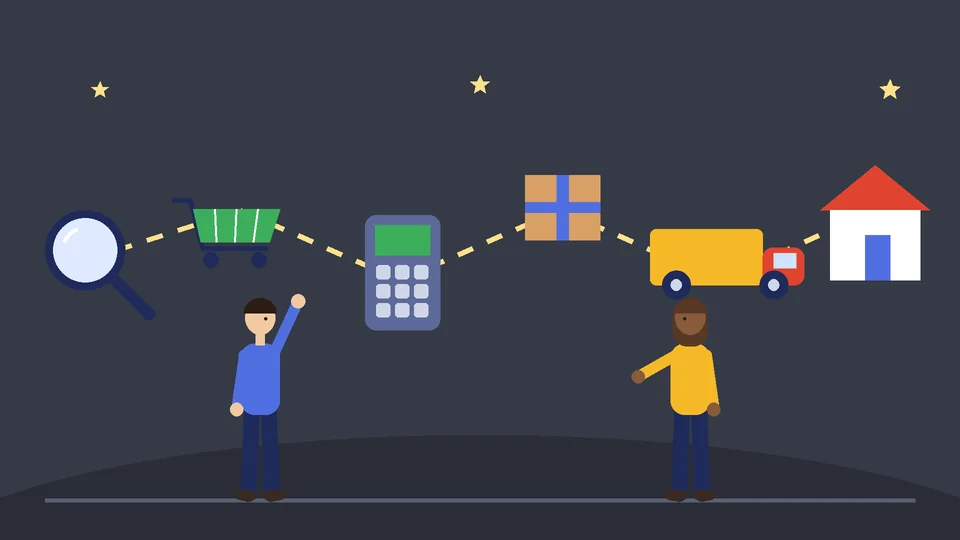
- Discovery. A shopper finds the product through search, social media, ads, email, a marketplace, or a direct visit.
- Browsing. They view product pages with photos, descriptions, prices, and reviews, and add items to a cart.
- Checkout. They enter shipping details and pay. The store calculates taxes and shipping.
- Payment processing. A payment gateway and processor authorize the card or wallet payment and send funds to the merchant’s account, minus fees.
- Fulfillment. The order is picked, packed, and shipped from a warehouse, a store, a third-party logistics provider, or a supplier.
- Delivery and service. The customer receives tracking updates, gets the order, and may contact support or start a return.
- Retention. The store follows up with email, SMS, loyalty programs, or subscriptions to earn the next order.
Behind those steps sit a storefront, a product catalog, inventory, payments, tax calculation, shipping, customer records, and analytics. An ecommerce platform bundles most of these into one system.
Types of ecommerce by who buys and sells
| Type | Who sells to whom | Example |
|---|---|---|
| B2C (business to consumer) | A business sells to individual shoppers | A clothing brand’s online store |
| B2B (business to business) | A business sells to other businesses | A parts supplier with wholesale pricing and purchase orders |
| D2C (direct to consumer) | A manufacturer or brand sells directly, skipping retailers | A skincare brand selling from its own site |
| C2C (consumer to consumer) | Individuals sell to each other through a platform | Second-hand marketplaces |
| C2B (consumer to business) | Individuals sell products or services to businesses | Freelancers or creators licensing work |
| B2G (business to government) | Businesses sell to government agencies | Online procurement portals |
Many stores mix types. A D2C brand may also run a wholesale channel, which is why B2B features matter even for consumer brands. Our guide to Shopify Plus for B2B merchants covers how that works on Shopify.
Ecommerce business models
The type describes who buys; the business model describes how you source products and make money:
- Retail with your own inventory. You buy or make stock, store it, and ship orders. More control over quality and margins, more cash tied up in inventory.
- Dropshipping. A supplier ships directly to the customer when an order comes in. Low upfront cost, but thinner margins and less control over delivery and quality.
- Print on demand. Products like apparel or posters are printed after the order, often by a partner.
- Subscriptions. Customers pay on a schedule for replenishment, curated boxes, or memberships.
- Wholesale. You sell in bulk to retailers or businesses, often through a B2B portal with customer-specific pricing.
- Digital products and services. Downloads, courses, software, or bookings, with no physical shipping.
- Marketplace selling. You list on third-party marketplaces alongside, or instead of, your own store.
Ecommerce examples by business size
Ecommerce looks different depending on the size and type of business:
- A solo maker sells handmade products from a hosted store, ships from home, and promotes through social media and email. The priorities are a simple setup, low fixed costs, and reliable payments.
- A growing D2C brand runs its own store as the hub, adds a marketplace channel and a wholesale page for retailers, and works with a third-party logistics provider. Priorities shift to inventory accuracy, retention marketing, and site speed.
- A local retailer connects a physical shop to an online store so customers can buy online and pick up in store, with one inventory count across both.
- A B2B distributor gives approved business customers a login with their own price lists, payment terms, and quick reorder forms, replacing phone and email orders.
- An enterprise brand runs several storefronts for different countries or brands, with integrations to ERP, warehouse, and customer service systems.
The core building blocks are the same in every case: a catalog, a checkout, payments, fulfillment, and marketing. What changes is the scale and how many systems need to talk to each other.
Where ecommerce happens: channels
Most brands sell in more than one place:
- Your own online store, where you control the brand, data, and customer relationship.
- Marketplaces, which bring traffic but charge fees and control the customer relationship.
- Social commerce, selling through social platforms.
- Mobile apps for brands with frequent repeat buyers.
- In-person sales connected to the same inventory and customer records, through a point-of-sale system.
Your own store is usually the hub, because it’s the channel where you own the customer data. Our guide to the Shopify online store explains how that hub is set up on Shopify.
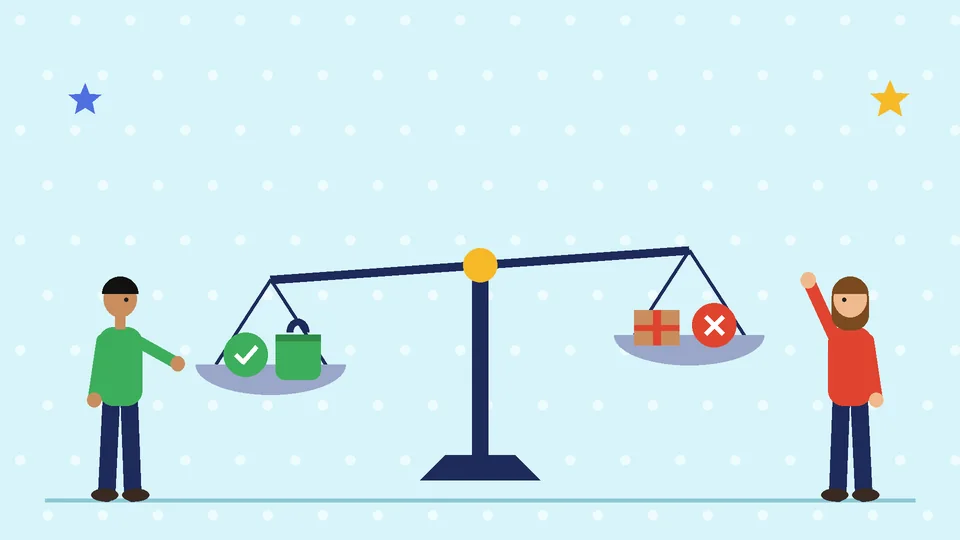
Advantages and challenges of ecommerce
Advantages
- Sell around the clock to customers anywhere you can ship.
- Lower startup costs than a physical store in many categories.
- Detailed data on what customers view, buy, and return.
- Easy to test prices, products, and offers.
- Room to grow into new channels and markets.
Challenges
- Competition is one search away, so pricing and differentiation matter.
- Customer acquisition costs through ads can rise quickly.
- Shipping, returns, and fulfillment eat into margins.
- Payment fraud and account security need attention. Our ecommerce security guide covers the basics.
- Customers expect fast sites, clear policies, and responsive support.
What you need to start an ecommerce business
- A product and a customer. Know what you sell, who buys it, and why they would choose you.
- An ecommerce platform. Hosted platforms like Shopify include hosting, checkout, and security. As of October 2026, Shopify’s pricing page lists plans from $29 a month billed yearly. Open-source options like WooCommerce have no platform fee but need hosting and maintenance. Our guide on how to find the best CMS for ecommerce compares the options.
- A way to take payments. A payment provider that supports cards and wallets. Our guide to the Shopify merchant account explains how Shopify Payments compares with third-party gateways.
- Shipping and fulfillment. Carriers, packaging, rates, and a returns process.
- Business setup. A registered business, a separate bank account, and sales tax registration where you have obligations.
- Policies. Shipping, returns, privacy, and terms pages that match how you operate.
- Marketing. A plan to bring in the first customers through search, email, social, and ads. Our ecommerce marketing strategies guide lays out a 90-day plan.
Rules US online sellers should know
Ecommerce has a few legal basics every US seller should understand. These are summaries, not legal advice.
- Shipping promises. The FTC’s Mail, Internet, or Telephone Order Merchandise Rule requires a reasonable basis for any shipping time you state. If you state no time, you must have a reasonable basis to ship within 30 days. If you can’t ship on time, you must ask the customer to consent to the delay or give a prompt refund.
- Sales tax. Most states with a sales tax require out-of-state online sellers to collect it once their sales into the state pass a threshold that each state sets. Check the revenue department of every state where you have customers, or use your platform’s tax tools and a tax professional.
- Advertising and reviews. Claims must be truthful, and the FTC’s rule on consumer reviews and testimonials prohibits fake reviews and certain misleading review practices.
- Privacy. Collect only the customer data you need, explain how you use it in a privacy policy, and protect it.
How search and AI shopping fit in
Most online purchases still start with a search. Clear product pages, accurate structured data, fast load times, and helpful content make a store easier to find in Google and in AI-assisted shopping experiences. Google’s guidance on creating helpful, reliable, people-first content applies to product and category pages as much as to blog posts. Our ecommerce SEO tips go through the practical steps.
Frequently asked questions
What is ecommerce in simple words?
What are the main types of ecommerce?
How big is ecommerce in the US?
How do ecommerce businesses make money?
Is Shopify an ecommerce platform?
Do I need a business license to sell online in the US?
The short version
Ecommerce is any sale where the order happens online, and it now accounts for about one in six US retail dollars, according to the Census Bureau. Success comes down to a clear product and customer, a platform your team can run, reliable payments and fulfillment, and steady marketing.
If you are starting a store or moving an existing one to Shopify, PROSeCommerce can help you plan the platform, migration, and launch.