
DTC marketing defined
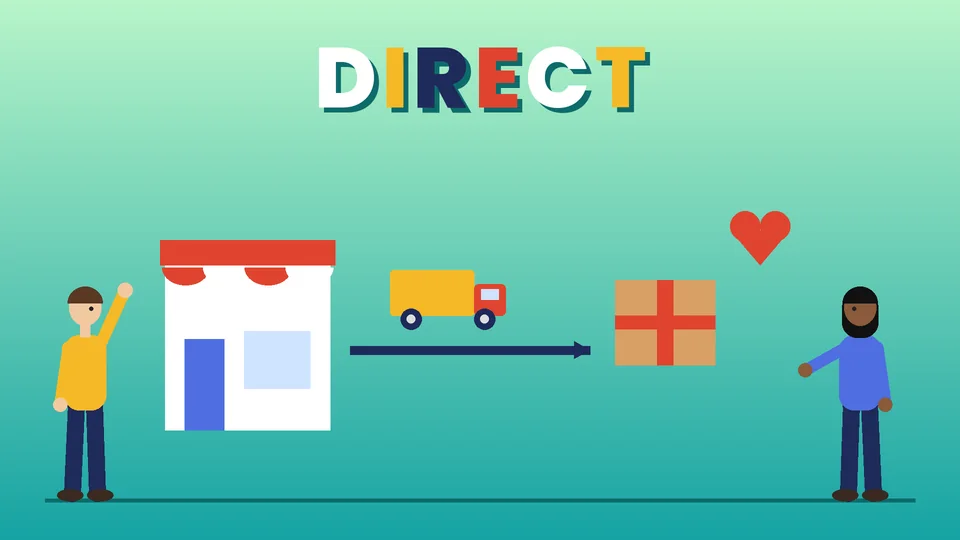
Direct-to-consumer (DTC) marketing is how a brand sells its own products straight to the people who use them, without a retailer or distributor in the middle. The brand runs the store, usually an ecommerce site, and handles the marketing, the checkout, the customer relationship and often the fulfillment.
That is a bigger change than it sounds. When a retailer sells your product, the retailer owns the shelf, the price display, the customer’s email address and most of the data about who bought what. When you sell direct, all of that is yours, and so is the work. This refresh of our earlier post explains the real benefits of DTC marketing, the trade-offs, the channels that matter and the rules to follow, with sources listed at the end and facts checked in October 2026. PROSeCommerce, part of PROS Global in San Diego, builds and runs Shopify stores for brands that sell direct, so this guide is written from the operating side rather than the theory side.
Why selling direct keeps growing
Online sales keep taking a larger share of retail. According to the US Census Bureau’s quarterly ecommerce report, US retail ecommerce sales in the second quarter of 2026 were an estimated $340.2 billion, adjusted for seasonal variation. That was 17.1 percent of total retail sales and 12.2 percent higher than the second quarter of 2025. The Census Bureau’s next quarterly release is scheduled for November 19, 2026.
Those figures cover all online retail, not only DTC brands, but they show where shoppers already are. Selling direct gives a brand its own place in that market rather than relying entirely on other people’s stores.
The benefits of DTC marketing

1. You own the customer relationship
When someone buys from your store, you can create a customer record, follow up after delivery, ask for a review and invite them back. With a retailer in the middle, you may never know who the customer was. Owning that relationship is the foundation for every other benefit on this list.
2. You get first-party data
Every visit, order and email click on your own site tells you something: which products sell together, which pages people leave, which messages bring customers back. That data is yours to analyze. It helps you decide what to make next, what to stock more of and where to spend on ads.
3. You control the brand experience
On your own site you decide how products are photographed, described, priced and bundled. You set the tone of the emails and the packaging that arrives at the door. In a retail channel, your product sits next to competitors on someone else’s terms.
4. You can keep more of each sale
Without a wholesale discount, more of the retail price stays with you. That margin does not all become profit, because you now pay for marketing, payments, fulfillment and customer service that a retailer would otherwise absorb. The benefit is control over where that money goes.
5. You can test and launch faster
A DTC brand can change a product page today, test a new bundle this week and launch a limited product to its email list next month. Retail buying cycles rarely move that quickly. Speed lets you learn what customers want before committing to large production runs.
6. You can build repeat purchases
Existing customers are usually easier to reach than new ones because you can contact them directly. Email, accounts, subscriptions and loyalty programs all work better when you own the customer list. On Shopify, for example, the customer accounts feature lets shoppers sign in without a password using a one-time 6-digit code, and sign-in sessions last up to 365 days, which makes reordering easier.
The trade-offs to plan for
Selling direct also moves work and risk onto your team:
- Customer acquisition cost. Retailers bring their own traffic. A DTC store has to earn or buy every visit, so advertising and content become ongoing costs.
- Operations. You handle order processing, shipping, returns and customer service, or pay partners to do it.
- Technology. You need a store platform, payments, analytics and the apps that connect them. Our guide to what Shopify is and what it costs shows the typical pieces.
- Channel conflict. If you also sell through retailers, pricing and promotions on your site can upset those partners. Agree on clear rules early.
Many brands run a hybrid model, selling direct and through selected retailers or marketplaces. DTC does not have to mean only DTC.
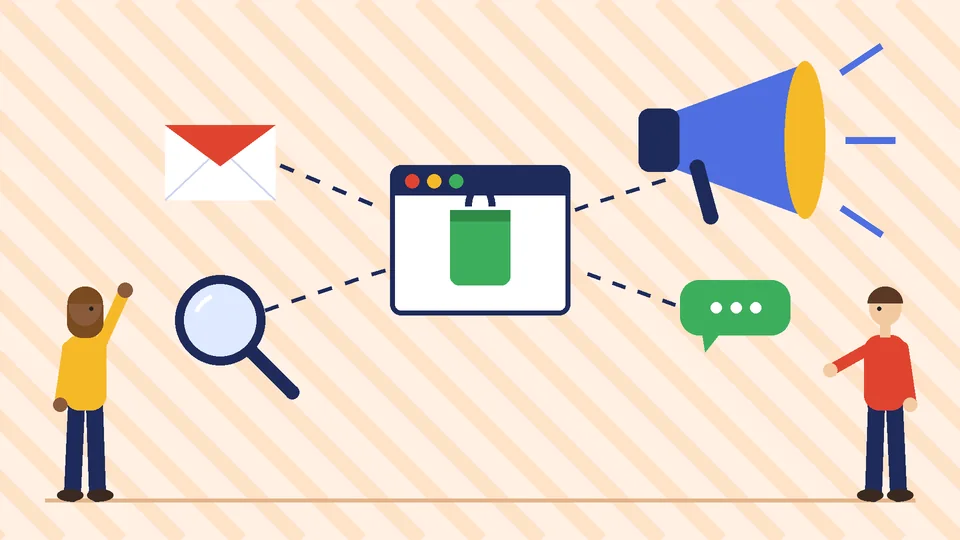
The DTC marketing channels that matter
Your store
Your website is the channel every other channel points to. Clear navigation, fast pages, honest product information and an easy checkout decide whether the traffic you pay for turns into orders.
Search and free product listings
Search brings shoppers who are already looking for what you sell. Beyond regular search results, Google’s free listings for products let eligible products appear at no cost across Google surfaces including Search, the Shopping tab, Images, Lens, YouTube and Maps. Google says new Merchant Center accounts are opted in to free listings by default, and in the United States you must set up shipping settings or add shipping costs to your product data.
Email marketing
Email is the channel a DTC brand owns most completely. Use it for welcome messages, product launches, restock alerts, post-purchase follow-ups and win-back campaigns. Segment your list so people receive messages that match what they bought or browsed; our guide to Shopify email segmentation explains how.
Paid social and search ads
Paid ads are how most DTC brands reach new customers at scale. Start with one platform, a clear offer and a landing page that matches the ad. Our beginner’s guide to Facebook ads for ecommerce covers setup, tracking and budgets.
Creators and customer reviews
Creators, affiliates and customer reviews give shoppers a view from someone other than the brand. They work well for DTC because you can link straight to your own product pages. They also come with disclosure rules, covered below.
Customer service as marketing
Fast, helpful answers before and after a purchase build the trust that brings people back. Live chat, clear FAQs and easy returns all count. Some stores now use AI chat to answer routine questions; our post on AI chatbots for ecommerce customer service looks at where they help and where they do not.
The rules every DTC marketer should know
This section is a summary, not legal advice. Check the source pages and talk to a lawyer about your specific situation.
Commercial email: CAN-SPAM
The FTC’s CAN-SPAM compliance guide explains the rules for commercial email in the United States. As of October 2026, the key points are:
- Header information and subject lines must not be false or misleading.
- Each commercial message must include your valid physical postal address.
- Each message must explain clearly how to opt out of future marketing email.
- Any opt-out mechanism must be able to process requests for at least 30 days after you send the message, and you must honor opt-out requests within 10 business days.
- You stay responsible even if you hire another company to send your email.
- Each separate email in violation of the law is subject to penalties of up to $53,088.
Endorsements, creators and reviews
The FTC’s guidance on its Endorsement Guides says endorsements must reflect the honest opinions and experiences of the endorser, and that a connection a significant minority of consumers would not expect, such as payment or free products, should be disclosed clearly and conspicuously. The same page notes that the Guides were revised in 2023. For DTC brands, the practical rules are:
- Ask paid or gifted creators to disclose the relationship in each post, in plain words such as “Ad” or “Paid by” with your brand name.
- Do not offer discounts or other incentives only for positive reviews. You can invite all customers to leave honest reviews.
- Do not ask for reviews only from customers you expect to be happy, and do not hold back negative reviews.
- Have a reasonable program to train and check the creators who promote your products.
How to start or grow a DTC channel
- Pick a focused product line. Start with the products that have clear demand and healthy margins.
- Build a store that converts. Clear product pages, fast mobile performance and a simple checkout come before heavy ad spend.
- Set up measurement. Connect analytics and ad tracking before launch so you can see which channels bring profitable orders.
- Capture email addresses. Offer a genuine reason to sign up, such as early access or useful guides.
- Choose one or two acquisition channels. Do them well before adding more.
- Plan for the second purchase. Post-purchase emails, easy reordering and good service turn first orders into repeat customers.
- Review monthly. Track revenue, repeat purchase rate, customer acquisition cost and return rates, then adjust.
Frequently asked questions
What is DTC marketing?
What are the main benefits of DTC marketing?
What are the disadvantages of selling direct to consumers?
Which marketing channels work best for DTC brands?
Do DTC brands need to follow email marketing laws?
Can a brand sell DTC and through retailers at the same time?
Getting the direct channel right
DTC marketing gives a brand control over its customers, data and experience, in exchange for taking on acquisition, operations and compliance. Start with a store that converts, an email list you own and one or two channels you can run well, then grow from what the data tells you. If you want help building or running the email side, the PROSeCommerce Shopify email marketing team can help.