
What Shopify is
Shopify is a hosted commerce platform that lets a business build an online store, take payments, and sell in person, on social media, and on marketplaces from one admin. You pay a monthly subscription, and Shopify runs the servers, security updates, and checkout, so you can sell without managing hosting or writing code.
That definition hides a lot of practical detail, and the details are what decide whether Shopify suits your business. The earlier version of this post, written in 2022, quoted an outdated plan and an unsourced store count. This refresh explains how Shopify works, what is included, what it costs as of October 2026, where it is strong, where it is limited, and how to decide. Prices and features come from Shopify’s US pricing page and the Shopify Help Center, checked in October 2026. PROSeCommerce, part of PROS Global in San Diego, builds and migrates Shopify stores for US brands, so this guide is written from the point of view of someone who has to make the platform work after the sales pitch.
How Shopify works
Shopify is software as a service (SaaS). Instead of buying software and renting a server, you sign up for a plan and log in to the Shopify admin in a browser or the Shopify mobile app. Everything else hangs off that admin.
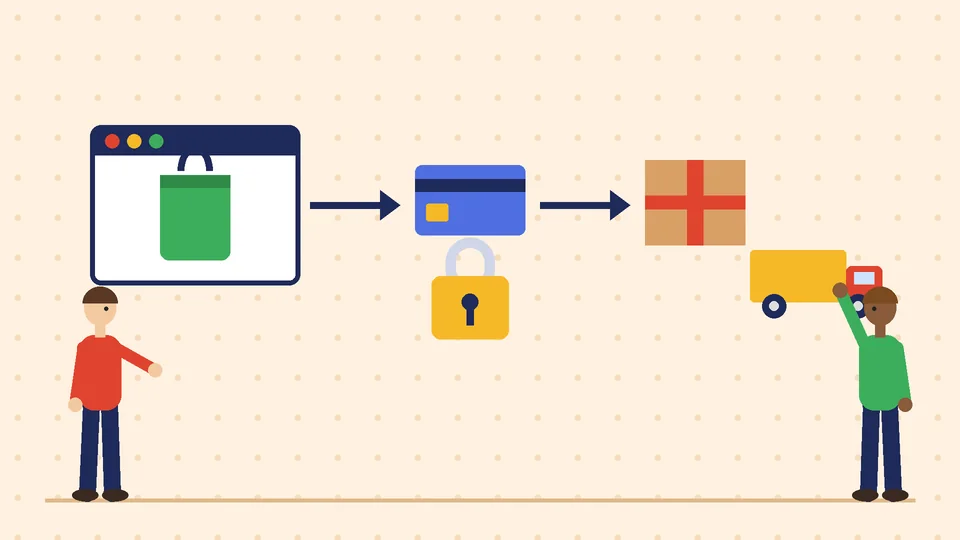
A typical store is built from five parts:
- The admin. Where you add products, process orders, manage customers and inventory, set shipping and taxes, and read reports.
- The Online Store sales channel. Your website, built from a theme. Themes are made of sections and blocks you rearrange in the theme editor, and developers can change the underlying Liquid code.
- Checkout. Shopify’s hosted checkout, which handles payment, tax calculation, and order creation. You can brand it, and Shopify Plus stores can customize it further.
- Payments. Shopify Payments, Shopify’s built-in processor, or a third-party payment provider.
- Apps. Add-ons from the Shopify App Store or custom apps built for your store.
Every sale, wherever it happens, lands in the same order list and draws from the same inventory. That shared back office is the main reason businesses choose Shopify over stitching separate tools together.
Sales channels
Shopify calls each place you sell a sales channel. According to the Help Center’s sales channels overview, as of October 2026 you can connect social channels such as Facebook, Instagram, and TikTok, list products on Google and on marketplaces such as Amazon and Temu, and sell through Shopify’s Shop app. Other channels come from third-party developers in the App Store. You manage products, prices, and orders for all of them from the same admin.
Point of sale
Shopify POS is the in-person selling app for iOS and Android. It syncs orders and inventory with your online store, so a product sold at a market or a counter is deducted from the same stock your website shows. Basic POS features come with every plan, and POS Pro adds staff permissions and in-store inventory tools. Our guide to Shopify POS pricing and setup goes deeper.
Apps and custom development
Shopify’s Help Center on app types separates public apps, which pass Shopify’s review and install from the App Store, from custom apps built for one store. It also notes that some third-party apps bill you directly rather than through your Shopify invoice, so app costs are easy to underestimate. When an app does not exist for what you need, a developer can build one with Shopify’s APIs.
What is included in a Shopify plan
Every standard plan includes the pieces a small online store needs to launch. Based on Shopify’s pricing page as of October 2026, that list covers:
- Hosting and security. Unlimited web hosting, a free SSL certificate, and a free myshopify.com address. You can connect a domain you own or buy one.
- PCI compliance for checkout. Shopify states it is certified Level 1 PCI DSS compliant and that stores on the platform are PCI compliant by default.
- Unlimited products and a full-featured online store with themes.
- Marketing basics. Customer segments, email campaigns, marketing automations, abandoned checkout recovery, and discount codes.
- Shipping tools. Discounted labels you buy and print in the admin.
- Reports. Real-time reports plus custom analytics.
- International selling through Shopify Markets, with translated storefronts and local currencies where Shopify Payments supports them.
- Sidekick, Shopify’s built-in AI assistant for store tasks.
What is not included matters just as much: paid themes, most third-party apps, custom development, and payment processing fees all sit on top of the subscription.
How much Shopify costs
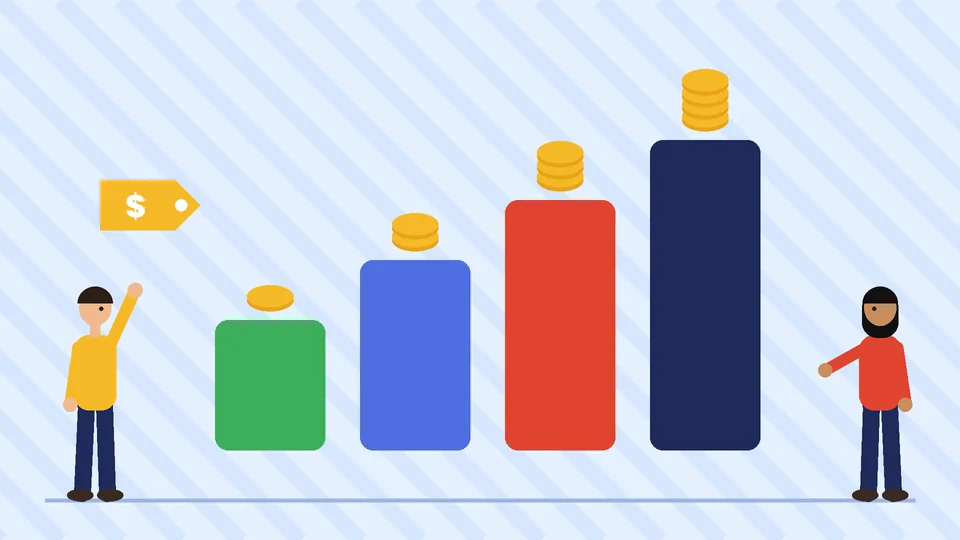
Shopify has four main plans for most businesses. As of October 2026, Shopify’s US pricing page lists Basic at $29 a month, Grow at $79, and Advanced at $299 when billed yearly, and Shopify Plus starting at $2,300 a month. Card processing, apps, and themes are extra.
| Plan | Billed yearly | Billed monthly | Online card rate with Shopify Payments | Fee if you use a third-party processor |
|---|---|---|---|---|
| Basic | $29/month | $39/month | 2.9% + 30¢ | 2% |
| Grow | $79/month | $105/month | 2.7% + 30¢ | 1% |
| Advanced | $299/month | $399/month | 2.5% + 30¢ | 0.6% |
| Plus | From $2,300/month | n/a | 2.25% + 30¢ | 0.2% |
Figures from Shopify’s US pricing page as of October 2026. Rates and promotions change; confirm before you sign up.
A few cost details trip people up:
- The trial. Shopify advertises a free three-day trial, then $1 a month for the first three months on most plans, before standard pricing starts.
- Staff accounts. Basic has no additional staff accounts. Grow includes 5 and Advanced 15. If anyone besides the owner needs admin access, Basic is not an option.
- Third-party processors. If you process cards through another provider instead of Shopify Payments, Shopify adds its own transaction fee on top of that provider’s fees.
- POS Pro costs $89 a month per location on Basic, Grow, and Advanced.
- Marketplace orders. The first 50 synced marketplace orders a month are free, and beyond that Shopify charges 1% up to $99 a month.
For a plan-by-plan breakdown with break-even math, read our guide to Shopify plans.
Who uses Shopify, and who it suits
Shopify suits businesses that want to sell physical or digital products online without running servers. That covers a wide range: a first-time seller with a handful of products, a retailer adding a website to a physical shop, and high-volume brands on Shopify Plus. On its pricing page, Shopify says merchants have collectively made more than $1.1 trillion in sales on the platform.
It tends to fit best when:
- You want to launch quickly and avoid hosting, updates, and patching.
- Your catalog and checkout follow common retail patterns.
- You sell in more than one place, such as online and at events, and want one inventory.
- You would rather pay a predictable monthly fee than manage a development team.
Our decision guide on whether Shopify is right for your business walks through fit by business model.
Shopify’s limits
No platform suits everyone, and Shopify’s trade-offs are well known to anyone who has built on it:
- Ongoing costs add up. Subscription, card fees, and app subscriptions are monthly and permanent. A store that relies on a dozen paid apps can spend more on apps than on the plan.
- Checkout is controlled by Shopify. You can brand it, but deep checkout customization is mostly a Shopify Plus feature.
- Some structures are fixed. Products have a limited number of options and variants, and URL patterns such as /products/ and /collections/ are set by Shopify.
- Transaction fees on outside processors. If your business needs a specific payment provider, the extra Shopify fee is a real cost.
- Shopify Payments availability. Shopify’s Shopify Payments documentation notes it is only available in certain countries and regions, so pricing and payment options can differ outside the US.
We cover these trade-offs in more detail in Shopify’s disadvantages.
Shopify vs other ecommerce platforms
The biggest difference between Shopify and platforms such as WooCommerce or Magento Open Source is who runs the software. With Shopify, the platform handles hosting, updates, and core security. With self-hosted platforms, you or your developers do.
| Shopify | Self-hosted platforms (WooCommerce, Magento Open Source) | |
|---|---|---|
| Hosting and updates | Included and managed by Shopify | Your responsibility, with your host |
| Upfront cost | Low; monthly subscription | Software may be free; hosting and development cost money |
| Control over code and data model | Limited to themes, apps, and APIs | Full control |
| Checkout | Shopify’s hosted checkout | Whatever you build or install |
| Who fixes it when it breaks | Shopify for the platform; you for themes and apps | You and your developers |
If you are weighing these options, our WooCommerce vs Shopify comparison sets out costs and control side by side.
How to get started with Shopify
You can have a basic store running in a few days if your products, photos, and policies are ready. The steps, in order:
- Start the trial and set your store name, address, and currency.
- Add products with clear titles, photos, prices, and inventory.
- Choose a theme and adjust the homepage, product page, and navigation in the theme editor.
- Set up payments, then shipping rates and tax settings for where you sell.
- Write your policies: refunds, shipping, privacy, and terms.
- Connect a domain and place a test order.
- Pick a plan before the trial ends.
Our step-by-step guide to setting up a Shopify online store covers each of these screens.
When to bring in help
Many merchants build their first Shopify store on their own. Outside help pays off when you are moving an existing store with years of URLs and customer data, when you need integrations with an ERP or warehouse system, or when your design needs go beyond what a theme can do. PROSeCommerce offers Shopify development services for those situations, from migrations to custom themes and apps.
Frequently asked questions
What is Shopify in simple terms?
Is Shopify free to use?
Do I need a website to use Shopify?
Can I sell in person with Shopify?
Does Shopify charge transaction fees?
Is Shopify good for small businesses?
The bottom line
Shopify is a hosted platform that bundles a store, checkout, payments, and selling channels into one subscription. It saves you from running software, and in exchange you accept monthly costs and the platform’s limits. Price out your plan, payment fees, and the apps you will need, then decide with real numbers in front of you.